
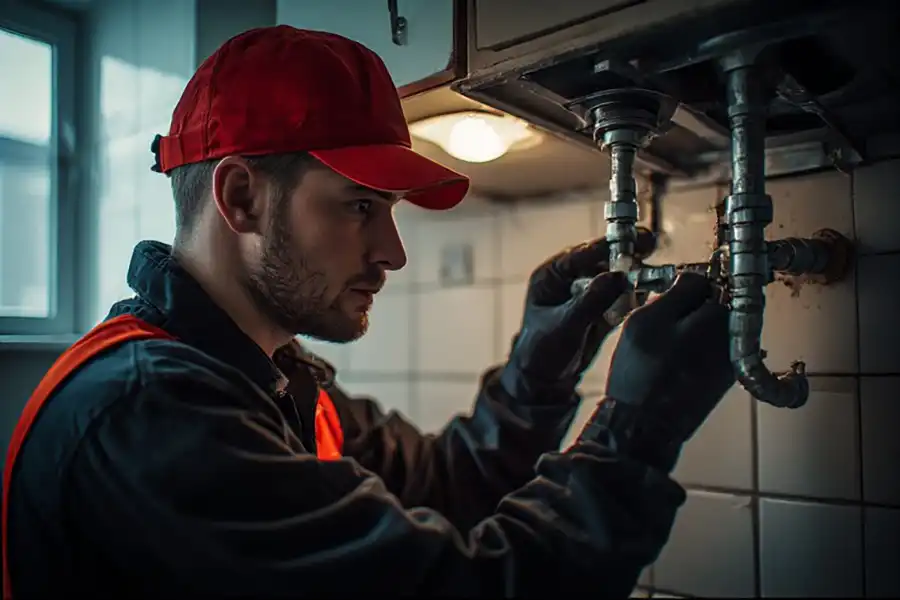
Listen closely to that faint “drip-drip” echoing from the guest bathroom. That isn’t just a minor annoyance; it is the sound of your hard-earned cash evaporating down the drain. Most of us would never toss a five-dollar bill onto the sidewalk, yet a single leaky faucet quietly wastes thousands of gallons a year.
According to the Environmental Protection Agency, the average household’s passive leaks account for nearly 10,000 gallons of wasted water annually. This invisible waste is usually the hidden culprit when you find yourself staring at a statement wondering, “why is my water bill so high?” Silent toilet flappers and worn seals inflate your monthly expenses without ever leaving a visible puddle.
Stopping this financial drain requires knowing exactly where to look. By uncovering these common plumbing issues, you can easily pinpoint the top three sources of residential water waste. These minor household malfunctions quickly compound into hundreds of lost dollars.
Transform home maintenance anxiety into proactive financial awareness with a solid plan. Whether you tackle a basic DIY fix or consult plumbing experts for hidden emergencies, securing your plumbing health today keeps your bank account full tomorrow.
Finding the ‘Silent Killer’
Hearing your toilet hiss when no one is awake isn’t a ghost; it’s a worn-out tank flapper. This rubber seal at the bottom of your toilet tank degrades over time, causing passive toilet leaks that silently dump 200 gallons of water down the drain daily. This is a major culprit behind unexpectedly high utility bills.
Fortunately, silent toilet leak repair starts with a cheap kitchen staple. Try this quick diagnostic test:
- Remove the toilet tank lid.
- Add five drops of food coloring.
- Wait thirty minutes without flushing.
If dye seeps into the bowl, your flapper has failed. Swapping it is a five-minute DIY fix—just unhook the old rubber piece and snap a new one in.
Doing the Drip Math
A single drop per second equates to nearly 3,000 wasted gallons annually. To picture that massive volume, imagine filling 50 standard bathtubs to the brim and pulling the drain plug on every single one. If you are wondering how much a dripping faucet increases your water bill, that steady rhythm is washing away real money month after month.
The culprit behind the drip is usually a worn internal cartridge. When handles feel stiff or require extra force to shut off completely, this hidden valve is failing. Ignoring this early warning sign turns a minor annoyance into a costly household expense.
Upgrading hardware often makes better financial sense than constant patching. Factoring in water-saving fixture installation costs, modern aerated faucets quickly pay for themselves through reduced utility bills. However, even the best new faucet cannot survive if your home harbors a more destructive force: dangerously high water pressure.
The Invisible Pressure Bomb
High water pressure acts exactly like high blood pressure for your home. When water enters above the dangerous 80 PSI (Pounds per Square Inch) mark, it severely stresses every pipe and joint. You might even hear this strain as a loud banging when a faucet shuts off—a destructive force called water hammer. Regulating this pressure is a crucial step to take before those stressed pipes eventually burst.
Testing this invisible pressure requires a cheap gauge that simply screws onto your outside hose bib. If the needle spins past 80, your home needs a pressure regulator. Additionally, as your water heater runs, the water inside expands. A small attachment called an expansion tank gives this extra volume a safe place to go, making a thermal expansion tank absolutely essential for preventing costly appliance leaks.
Compounding this physical stress, hard water rapidly degrades internal valves. Yet, even perfectly balanced water pressure won’t save a water heater that is slowly choking on its own debris.
Reducing Energy Bills by Flushing Your Heater
Listen closely to the tank in your utility closet or basement—if you hear a low, rumbling popping sound, your heater is boiling water through a blanket of rock. Calcium inevitably settles at the tank’s bottom, blocking thermal transfer. The burner then works twice as hard just to warm the water, spiking your utility bills. This mineral scale literally bakes the metal from the inside out.
To avoid this constant financial drain, many homeowners evaluate heater efficiency:
- Traditional Tanks: Keep 50 gallons hot 24/7, but require yearly flushing to clear out that insulating sediment blanket.
- Tankless Systems: Heat water instantly only when needed, dodging massive sediment buildup and significantly slashing long-term energy waste.
Taking thirty minutes to perform an annual flush on a standard unit can extend its life by five full years. Ignoring this simple chore remains one of the major financial drains every month.
Using the Meter Test to Find Water Theft
Unexpected utility spikes often point to invisible moisture weeping behind your drywall. These tiny pinhole leaks act like silent thieves stealing your money. Before massive mold takes over, pay attention to unexplained soft spots on your painted walls.
Confirming this suspicion requires one of the most reliable hidden leak detection methods: the 30-minute meter test. Turn off every faucet indoors, then check your main water meter outside for a small triangular leak indicator dial. If that tiny wheel spins while your plumbing is shut off, water is actively escaping into your framing.
Older homes face extreme risks of these blowouts if they feature gray plastic polybutylene pipes, which become brittle and shatter over time. Swallowing the replacement cost hurts, but it prevents a catastrophic flood emergency.
Adding Years to Your Dishwasher and Fridge
Spotty glasses are annoying, but mineral buildup is a true financial disaster. Calcium builds up as crusty mineral scale, eventually choking the delicate internal mechanisms of your dishwasher and fridge. This appliance valve failure often forces a premature $1,500 replacement.
Pouring liquid cleaners down scale-choked sinks seems harmless, but it guarantees expensive chemical pipe corrosion. Those harsh acids literally eat your plumbing from the inside out. Fortunately, clearing stubborn drain clogs without chemicals using a cheap plastic snake completely avoids this self-inflicted damage.
Stopping these plumbing issues with a water softener realistically saves thousands in replacement costs over a decade.
Which Pipe Material Saves You Most on Repairs
Replacing old lines doesn’t automatically mean using expensive metal anymore. Weighing copper versus PEX piping durability comes down to budget and design. PEX (cross-linked polyethylene) is a modern plastic tubing that revolutionizes residential repairs:
- Copper Pro/Con: Lasts 50+ years, but features high upfront material and labor costs.
- PEX Pro/Con: Highly affordable and installs quickly, though it degrades if exposed to direct sunlight.
Because this plastic tubing bends easily behind walls, it requires fewer leak-prone joints. This incredible flexibility helps it survive freezing temperatures by expanding with the ice instead of snapping, avoiding winter plumbing disasters.
Before ripping open walls to fix drainage issues, check your underground waste lines first. Paying the average cost of professional sewer line inspection (usually $150–$300) is brilliant if you experience frequent backups. A plumber runs a tiny camera down your pipes, revealing hidden tree roots before a sewage flood strikes.
Prevent a $5,000 Emergency
When temperatures plummet, water resting inside unheated garage or crawlspace pipes acts like a slow-motion bomb. Freezing water expands with incredible force, tearing open metal lines and causing devastating plumbing failures. One single ruptured line easily creates a sudden $5,000 interior restoration nightmare.
Stopping this disaster starts right at your exterior outdoor faucet. Always disconnect your garden hose before winter arrives; leaving it attached traps water, forcing expanding ice directly back into your home’s indoor plumbing. Once removed, simply slide an inexpensive foam cover over the bare metal fixture to block sub-zero winds.
Surviving extreme cold also requires mastering the “trickle method” for preventing frozen pipes. Letting your indoor faucets drip slowly during freezing nights relieves dangerous internal water pressure, preventing bursts even if ice forms.
A Checklist for Immediate Savings
You no longer have to let these everyday plumbing issues drain your budget. You now know how to spot the silent leaks and pressure spikes stealing your hard-earned cash.
To secure those annual savings, implement this monthly preventative maintenance checklist:
- Test toilets for silent leaks using food coloring.
- Feel under sinks and around appliances for moisture.
- Check the base of your water heater for pooling.
- Monitor utility bills for unexplained usage spikes.
- Test your home’s water pressure.
Tackle simple $50 DIY fixes like replacing a flapper yourself, but to prevent a $5,000 emergency, trust complex repairs to the professionals at Red Lion Plumbing. Start your first audit today to keep hundreds of dollars in your pocket this year!
Red Lion Plumbing
14631 Timbergreen Dr
Magnolia, TX 77355
Tel: (281) 259-8117
View our Facebook Page