Your home’s plumbing system works every day to deliver clean water, remove wastewater, and keep essential fixtures operating. But small plumbing problems can develop quietly. A loose connection beneath a sink, a running toilet, a slow drain, or a water heater that is no longer performing efficiently may go unnoticed until it causes a bigger inconvenience.
For homeowners looking for a Magnolia TX plumber, a basic plumbing inspection is a practical way to identify warning signs early, plan repairs, and protect the home from avoidable water damage.
Red Lion Plumbing is a family-owned plumbing company based in Magnolia, Texas, serving local homeowners and surrounding communities. With more than 40 years of plumbing experience, the company provides services for common plumbing problems, water heaters, leaks, drains, kitchen fixtures, and other residential plumbing needs.
This guide explains what to check around your home, which warning signs deserve attention, and when to call a professional plumber.
Why Regular Plumbing Inspections Matter
A plumbing issue does not always begin with a burst pipe or a flooded room. Sometimes the first sign is a small change in how something works.
You might notice that a faucet drips after being turned off, the shower drains more slowly than usual, or the water bill has increased without an obvious explanation. These changes do not automatically mean there is a major problem, but they can indicate that something needs to be investigated.
Routine visual checks can help you notice:
- Visible leaks around faucets, toilets, sinks, and exposed pipes.
- Water stains on ceilings, walls, or cabinets.
- Slow drains or recurring clogs.
- Toilets that run continuously or refill unexpectedly.
- Changes in water pressure.
- Unusual noises coming from plumbing fixtures.
- Water heater leaks or changes in hot-water performance.
- Signs of corrosion around exposed pipe connections.
Homeowners can identify many visible warning signs without taking plumbing apart. A qualified plumber can investigate problems that are hidden behind walls, beneath floors, or inside plumbing lines.
1. Check Under Kitchen and Bathroom Sinks
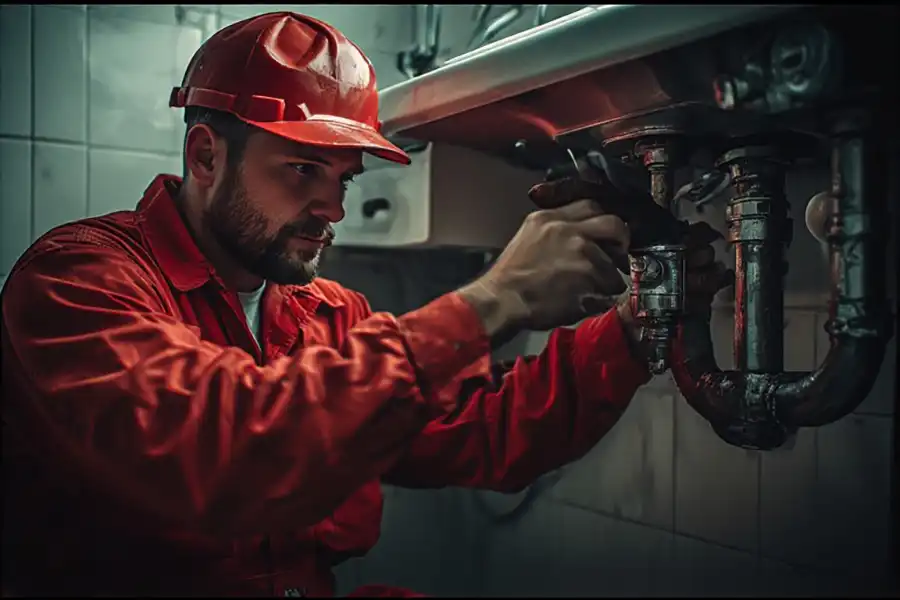
Start with the cabinets beneath your kitchen and bathroom sinks. Look for dampness, water stains, swollen cabinet materials, corrosion, or a musty odor.
Pay attention to the supply lines that bring water to the faucet and the drain connections that carry wastewater away. A small leak may appear only when the faucet is running or when the sink is draining.
What to look for:
- Water droplets around pipe joints.
- Damp cabinet floors or items stored beneath the sink.
- Loose or visibly corroded connections.
- Persistent unpleasant odors.
- Signs that a previous leak may have damaged the cabinet.
Avoid tightening unfamiliar fittings or dismantling plumbing if you are unsure how the connections work. If you find active leaking, stop using the fixture and shut off its water supply if it is safe and accessible.
For persistent leaks or damaged plumbing connections, a professional plumbing service in Magnolia and nearby communities can help identify the source and determine the appropriate repair.
2. Inspect Toilets for Leaks and Running Water
A toilet can waste water even when no water is visible on the bathroom floor. If the toilet continues running long after a flush, the internal fill valve or flapper may need attention.
Look around the base for moisture, discoloration, or a persistent odor. Check whether the toilet rocks when used, but do not attempt to tighten the mounting bolts aggressively because excessive force can damage the fixture.
You can also listen for water running inside the tank when the toilet has not been flushed recently.
A running toilet may be caused by a worn component, an incorrect water level, or another mechanical issue. If the problem continues after a simple adjustment, have the toilet evaluated.
If water appears around the base, the cause may involve the seal, the fixture, or the drain connection. Stop using the toilet if there is active leakage or wastewater escaping, and arrange professional help.
3. Pay Attention to Slow or Repeatedly Clogged Drains
A slow kitchen sink or shower drain is easy to ignore, especially if the water eventually disappears. However, recurring drainage problems can indicate buildup or a blockage farther down the drain line.
In the kitchen, grease, food residue, and other debris can contribute to clogs. In bathrooms, hair and soap residue are common contributors.
Here are a few signs to watch for:
- Water pooling in the sink or shower.
- Gurgling sounds after water drains.
- Unpleasant odors coming from a drain.
- A clog that returns shortly after being cleared.
- Several fixtures draining slowly at the same time.
Avoid repeatedly using harsh chemical drain cleaners, particularly when you do not know what is causing the blockage. They may not solve the underlying problem and can create hazards when combined with other products or when a plumber later works on the drain.
If several drains are affected, wastewater backs up, or the same clog keeps returning, professional drain cleaning or further inspection may be necessary.
4. Look for Signs of Hidden Water Leaks
Some of the most concerning plumbing leaks are not immediately visible. Water can escape from pipes inside walls, under flooring, or in other concealed areas.
You may notice indirect signs before you see the leak itself.
Watch for:
- New water stains on ceilings or walls.
- Paint that bubbles or peels without an obvious cause.
- Persistent damp or musty smells.
- Flooring that becomes warped or unexpectedly soft.
- Unexplained increases in water usage.
- The sound of water running when fixtures are off.
One simple check is to compare your water meter reading before and after a period when no water is being used. First, make sure appliances, irrigation systems, and other automatic water uses are accounted for. If the meter continues to register usage, there may be a leak or another source of water consumption that needs investigation.
This check is an indicator, not a diagnosis. A professional may need to isolate the water supply or use appropriate leak-detection methods to identify the cause.
For additional guidance on household leaks and water conservation, visit the U.S. Environmental Protection Agency’s Fix a Leak Week resource.
5. Check Your Water Heater
Your water heater is another important part of a home plumbing inspection. A unit that develops a leak or stops heating water properly can disrupt daily routines and potentially damage nearby flooring or belongings.
Look around the outside of the unit for moisture, corrosion, or water collecting near its base. Pay attention to changes in hot-water availability, unusual noises, or visible deterioration around accessible connections.
Common reasons to request a professional evaluation include:
- Hot water running out more quickly than usual.
- Water that is not reaching its normal temperature.
- Water leaking from the tank or nearby plumbing.
- Unusual popping or rumbling sounds.
- Visible corrosion or damaged connections.
Not every noise means a water heater is failing, and the appropriate solution depends on the equipment and the cause of the problem.
Do not remove access panels, tamper with electrical components, or attempt to service gas connections yourself. If you suspect a gas leak, leave the area, avoid flames and electrical switches, and contact the appropriate emergency or gas utility service from a safe location.
Red Lion Plumbing offers water heater repair and related plumbing services. Learn more about water heater and plumbing services before arranging an evaluation.
6. Watch for Changes in Water Pressure
Water pressure can change for several reasons, including a plumbing restriction, a partially closed valve, a fixture problem, or an issue with the water supply.
If only one faucet has low pressure, the issue may be limited to that fixture. If several fixtures throughout the home are affected, the cause may be more widespread.
Notice whether the pressure changes suddenly or gradually. Also pay attention to whether the problem affects hot water, cold water, or both.
Do not assume that low pressure always means a pipe is damaged. A plumber can assess the symptoms and determine whether the issue involves a fixture, valve, water heater, or another part of the system.
If pressure changes occur alongside visible leaks, unexplained water usage, or unusual plumbing noises, arrange an inspection rather than repeatedly adjusting valves without knowing the cause.
7. Know Where Your Main Water Shutoff Is Located
Every homeowner should know how to locate the main water shutoff valve and understand how to use it safely.
If a pipe breaks or a major leak develops, shutting off the water supply can help limit additional water damage while you arrange repairs.
The valve’s location varies by property. It may be near where the water line enters the home or in another designated location. If you are unsure where yours is, ask a qualified plumber to identify it.
Do not force a valve that is stuck, badly corroded, or difficult to operate. An attempt to force it could cause additional damage. Have a plumber assess it instead.
It is also useful to know the locations of accessible fixture shutoff valves beneath sinks and behind toilets. These can sometimes isolate a single fixture without shutting off water to the entire house.
8. Know When a Professional Plumbing Inspection Is Needed
A visual check can help identify warning signs, but it cannot reveal every problem inside a plumbing system. Professional evaluation is especially important when an issue is persistent, recurring, hidden, or potentially hazardous.
Consider contacting a plumber when:
- You have repeated leaks or recurring drain clogs.
- Water pressure changes unexpectedly.
- Water stains or dampness appear without an obvious source.
- Your water heater leaks or stops working normally.
- Multiple fixtures back up or drain slowly.
- You suspect a damaged pipe or need advice about repiping.
- You are planning a kitchen or bathroom plumbing upgrade.
- You want an experienced professional to evaluate a plumbing concern before it becomes more disruptive.
When requesting service, describe what you have observed, when it began, which fixtures are affected, and whether you have noticed water damage. This information can help the plumber understand the issue and plan the next steps.
How to Choose a Magnolia TX Plumber
When comparing plumbers, look beyond a company’s location or advertising. Choose a provider who can explain the problem, discuss the proposed work, and answer questions about the repair.
Here are useful questions to ask:
Is the plumber properly licensed and insured?
Confirm the credentials relevant to the work being performed. The Texas State Board of Plumbing Examiners provides information about plumbing licensing in Texas.
Can the plumber explain the diagnosis and repair options?
You should understand what was found, what needs attention, and whether there are practical alternatives.
Will the scope and cost be explained before work begins?
Ask about diagnostic charges, estimates, parts, labor, and any conditions that could change the final cost.
Does the company handle the type of plumbing issue you have?
Water heater repairs, recurring drain problems, leak detection, and repiping can require different approaches. Confirm that the company handles your specific concern.
Does the company serve your part of Magnolia?
A local provider can help you determine whether your address is within its service area and discuss appointment availability.
Red Lion Plumbing is based at 14631 Timbergreen Drive, Magnolia, TX 77355. The company describes itself as family-owned and operated, with more than 40 years of plumbing experience. You can review its plumbing services and contact the company to discuss your needs.
Keep Your Magnolia Home’s Plumbing in Good Condition
A few minutes spent checking visible plumbing can help you notice leaks, drainage changes, and equipment problems before they become more disruptive. Make these checks part of your regular home maintenance routine, and do not ignore warning signs that persist or return.
Remember that a visual inspection is not a substitute for a professional assessment when a problem is hidden, recurring, or potentially hazardous.
If you need a Magnolia TX plumber for a leak, drain problem, water heater concern, fixture repair, or another plumbing issue, Red Lion Plumbing serves Magnolia and surrounding communities.
Contact Red Lion Plumbing
Red Lion Plumbing
14631 Timbergreen Drive
Magnolia, TX 77355
Phone: 281-259-8117
Website: https://redlionplumbing.com/
Call to discuss your plumbing concern and ask about scheduling service.
Disclaimer: This article is for general informational purposes only. Plumbing conditions vary by property. Electrical, gas, concealed-pipe, and other potentially hazardous work should be evaluated by qualified professionals. The information above is not a substitute for an on-site inspection or professional advice.