
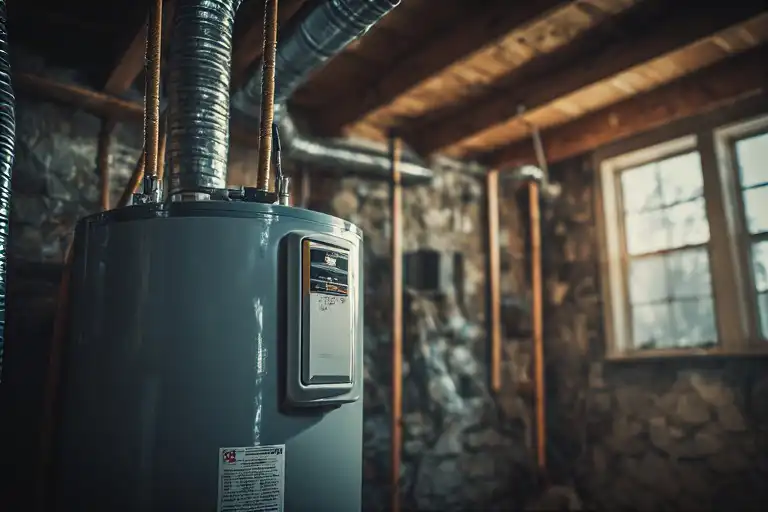
Few things disrupt a peaceful morning quite like stepping into an icy shower when you were expecting a warm, comforting start to your day. For homeowners in Southeast Texas, a reliable hot water supply is not just a luxury; it is a daily necessity. However, behind every consistent hot shower is a piece of equipment working tirelessly behind the scenes. Proper water heater maintenance in Magnolia TX is the secret to ensuring your system runs efficiently, safely, and for as long as possible.
Whether you rely on a traditional tank system or a modern tankless unit, understanding how your local environment affects your plumbing and knowing which maintenance tasks to perform can save you thousands of dollars in premature replacements. Let us dive into the ultimate guide to keeping your hot water flowing smoothly.
The Local Environment: How Magnolia Impacts Your System
To truly understand how to care for your plumbing, you first need to understand the environment it operates in. Magnolia homeowners face two distinct challenges: water quality and climate.
Magnolia TX hard water effects on plumbing are well-documented. The groundwater in our region contains high levels of dissolved minerals, specifically calcium and magnesium. When this hard water is heated inside your tank, these minerals precipitate and settle at the bottom as stubborn scale and sediment. Over time, this buildup forces your system to work harder, reducing efficiency and increasing your utility bills.
Additionally, the sticky, humid Texas weather plays a role in the exterior wear and tear of your appliances. Preventing water heater corrosion in high humidity requires ensuring your system is installed in a well-ventilated space, ideally climate-controlled, and routinely checking the exterior jacket, pipes, and fittings for early signs of rust or oxidation.
Recognizing the Warning Signs of Trouble
Most water heaters will give you subtle (and sometimes loud) hints that they are struggling before they completely fail. Knowing what to listen and look for is half the battle.
If you have ever found yourself asking, “why is my hot water heater making popping sounds?” the culprit is almost certainly that hard water sediment we just mentioned. When a thick layer of mineral sediment builds up at the bottom of the tank, water gets trapped underneath it. As the heating element turns on, that trapped water boils, turns to steam, and bursts through the sediment layer, creating a loud popping or rumbling noise.
Beyond strange noises, there are other critical signs of water heater failure in Texas homes that you should never ignore:
- Rusty or discolored hot water: This often indicates that the inside of your tank is beginning to rust away.
- Fluctuating temperatures: If your water goes from scalding hot to lukewarm in minutes, your heating elements or gas burners are likely failing.
- Unexplained moisture: Any pooling water around the base of the tank is a massive red flag that a microscopic fracture has developed in the inner tank.
Essential Maintenance for Traditional Tank Systems
To counteract the wear and tear of daily use, standard tank water heaters require a little bit of hands-on TLC.
Testing the Temperature and Pressure Relief Valve
The Temperature and Pressure (T&P) relief valve is your water heater’s primary safety mechanism. If the pressure or temperature inside the tank reaches dangerous levels, this valve opens to release it, preventing a potential explosion. Testing the temperature and pressure relief valve annually is highly recommended. Simply place a bucket under the discharge tube and briefly lift the lever on the valve. If water flows freely and shuts off completely when you release the lever, it is working properly. If it leaks or no water comes out, call a plumber immediately.
Flushing the Tank
Because of the local hard water, flushing sediment from water heater tank systems is a non-negotiable yearly task.
- Turn off the power (switch off the breaker for electric, or turn the gas valve to “pilot”).
- Turn off the cold water supply to the tank.
- Connect a heavy-duty garden hose to the drain valve at the bottom of the heater.
- Route the hose to a safe drainage area (like a driveway or floor drain).
- Open a hot water faucet inside the house to allow air into the system.
- Open the drain valve and let the water flow until it runs clear of sediment.
- Close the valve, refill the tank, and turn the power back on.
Inspecting the Anode Rod
Your tank has a hidden hero inside it: the sacrificial anode rod. This metal rod attracts corrosive elements in the water, rusting itself away so the steel lining of your tank doesn’t have to. Knowing how to check the sacrificial anode rod can add years to your system. You will need to turn off the water, relieve the pressure, and use a socket wrench to unscrew the rod from the top of the tank. If the rod is heavily pitted or the core wire is exposed, it is time for a replacement.
Caring for Modern Tankless Systems
Tankless systems are incredibly popular due to their endless hot water supply and space-saving design, but they are not maintenance-free. Instead of holding water, they flash-heat it as it passes through a heat exchanger.
Hard water scale can coat this heat exchanger, causing the unit to overwork and eventually shut down. The tankless water heater descaling procedure involves isolating the unit using its service valves and using a submersible pump to circulate a descaling solution (often food-grade white vinegar) through the system for 45 to 60 minutes. This dissolves the mineral buildup, restores efficiency, and prevents sudden breakdowns.
Maximizing Efficiency and Longevity
Routine care isn’t just about avoiding disaster; it is about saving money month over month.
One of the easiest ways to lower your energy bill is by adjusting water heater thermostat for energy savings. Many units come from the factory set to 140°F. By dialing this back to 120°F, you not only reduce your standby heat loss and save energy, but you also significantly lower the risk of scalding—which is especially important for households with young children or elderly residents.
The ultimate goal of this upkeep is expanding water heater lifespan with regular care. A neglected traditional tank might last 6 to 8 years in our hard water environment. However, a well-maintained unit can easily last 10 to 12 years, and a properly serviced tankless unit can surpass 20 years of reliable service.
There are massive benefits of annual water heater tune-up appointments. Beyond extending the life of the appliance, annual tune-ups ensure peak efficiency, meaning lower gas or electric bills, better water pressure, and the absolute peace of mind that your family has a safe, reliable hot water supply.
Safety First: Preparation, Troubleshooting, and Compliance
Water heaters combine electricity (or combustible gas) with pressurized, scalding water. It is a potent combination that requires respect and strict adherence to safety protocols.
Knowing Your Shut-Offs
Before you ever attempt to inspect or service your plumbing, you need an emergency water shut-off valve location guide. Your water heater should have a dedicated cold water shut-off valve located on the pipe entering the top of the unit. It will either be a wheel-style gate valve or a lever-style ball valve. In the event of a catastrophic tank rupture, turning this valve clockwise (or perpendicular to the pipe) will stop the flow of water and prevent massive flooding in your home. It is also wise to know where your main house water shut-off is located (usually near the street meter or where the main line enters your home’s foundation).
Troubleshooting Basics
When the hot water stops, figuring out why depends heavily on your system type. Gas vs electric water heater troubleshooting requires very different approaches:
- Gas Water Heaters: If you have no hot water, start by checking the pilot light. If it is out, follow the manufacturer’s instructions to relight it. If it won’t stay lit, you likely have a faulty thermocouple—a relatively inexpensive safety sensor that is easy for a professional to replace. Also, check to ensure the gas supply valve is open and the venting is clear of obstructions.
- Electric Water Heaters: These systems do not have a pilot light. If your water is cold, the first stop is your home’s electrical panel to check for a tripped breaker. If the breaker is fine, the issue is usually a burnt-out upper or lower heating element or a faulty thermostat.
DIY vs Pro Service and Local Regulations
The debate between DIY vs professional water heater servicing usually comes down to your comfort level and the complexity of the task. Tasks like adjusting the thermostat, testing the T&P valve, and even performing a basic tank flush are generally safe for a handy homeowner. However, replacing electrical elements, dealing with gas lines, swapping out an anode rod, or descaling a tankless unit are often better left to certified professionals.
Furthermore, if your water heater is beyond repair and needs to be completely replaced, it is crucial to stay compliant with local building codes. Familiarizing yourself with Montgomery County water heater permit requirements is essential. The county requires permits and inspections for water heater replacements to ensure the new unit meets all safety standards, particularly concerning gas line connections, proper flue venting, and the installation of safety pans and T&P discharge lines. A licensed local plumber will handle all of this permitting for you, ensuring your home remains up to code and fully insured.
Why It Pays to Rely on Local Experts
While basic maintenance is something you can manage on your weekend, the long-term health and safety of your plumbing system is a job for the experts. When it comes to reliable, high-quality plumbing services in Southeast Texas, you should Choose Red Lion Plumbing.
Local expertise matters. A local plumber intimately understands the specific challenges that Magnolia’s hard water and high humidity present to your appliances. They don’t just fix symptoms; they provide holistic solutions that protect your entire home. From diagnosing complex gas line issues to executing a flawless tankless installation, having a trusted professional on speed dial takes the stress out of homeownership.
For routine maintenance, emergency repairs, or complete system overhauls, the team at Red Lion Plumbing provides transparent pricing, exceptional craftsmanship, and unparalleled customer service. Don’t wait for your hot water to vanish or your tank to spring a leak before giving your system the attention it deserves. Protect your investment and ensure your morning showers remain warm and reliable. You can easily schedule your annual tune-up and explore a full suite of professional services by visiting https://redlionplumbing.com/ today.
Consistent water heater maintenance is an investment that pays dividends in comfort, safety, and financial savings. By staying proactive, keeping an eye out for warning signs, and partnering with dedicated local professionals, you can enjoy a flawless hot water supply all year round.
Red Lion Plumbing
14631 Timbergreen Dr
Magnolia, TX 77355
Tel: (281) 259-8117
View our Facebook Page